Gisela Werner · 4 September 2026
Exploring Iris Pattern Applications in Secure Remote Asset Tracking Networks
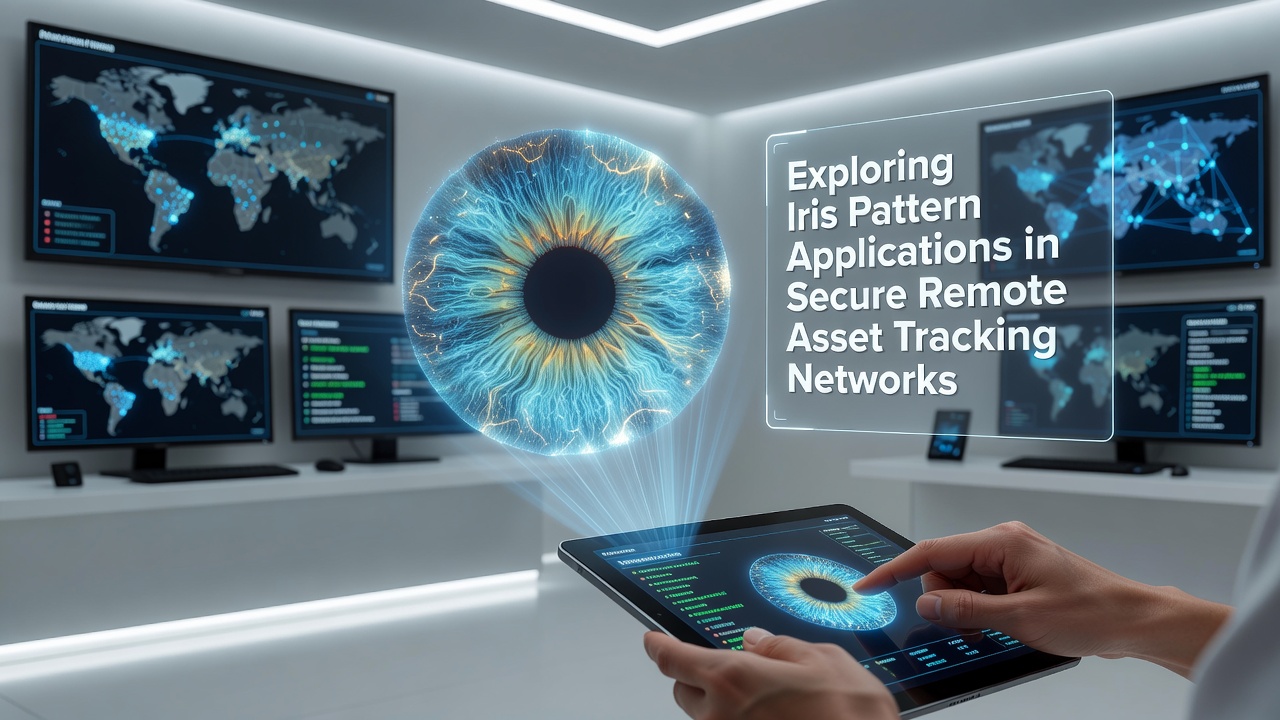
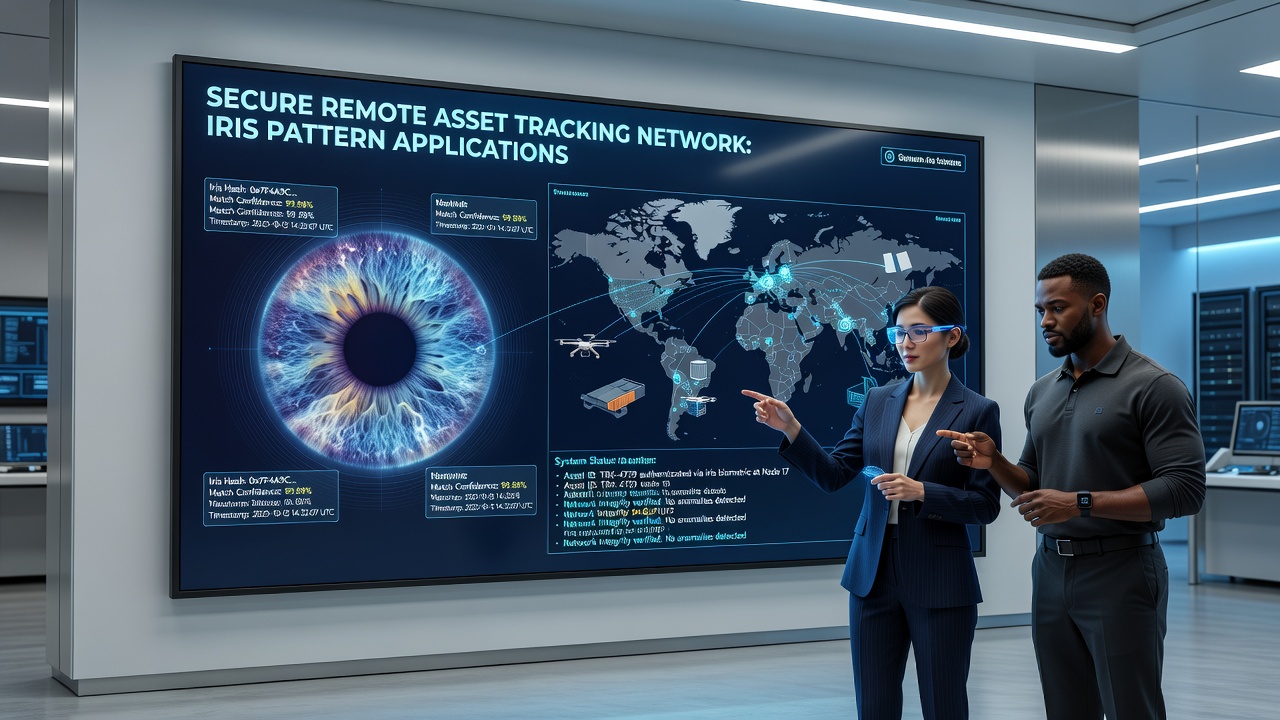
Iris recognition systems capture the intricate patterns within the human iris to establish secure identities and these patterns provide a stable biometric marker that supports authentication across distributed networks. In asset tracking applications, organizations integrate iris verification at access points to confirm personnel authorization before granting control over remote monitoring devices or data feeds. This approach combines biometric data with encrypted communication protocols to reduce unauthorized entry risks in supply chains and logistics operations where assets move through multiple jurisdictions.
Core Mechanisms of Iris Pattern Integration
Researchers have documented that iris scanning devices extract features such as trabecular meshwork details and convert them into digital templates stored in secure databases while encryption standards protect transmission between field sensors and central control centers. Data from the National Institute of Standards and Technology shows error rates below 0.1 percent in controlled tests when systems compare live captures against enrolled templates. These systems operate alongside GPS modules and IoT sensors so that asset location updates trigger verification requests only when personnel attempt to alter tracking parameters or access restricted logs.
Network architects often embed iris authentication within multi-factor frameworks that layer biometric checks with token-based access and behavioral analytics. This layered structure allows continuous verification during extended remote sessions where operators monitor vehicle fleets or warehouse inventories from distant locations. Studies conducted by academic teams at the University of Toronto have measured response times under one second for template matching even when networks experience variable latency across international routes.
Deployment Scenarios in Remote Tracking Environments
Logistics companies deploy portable iris scanners at transfer hubs so drivers and inspectors authenticate before uploading sensor data from cargo containers equipped with tamper-evident seals. In energy sector applications, field technicians use mobile iris readers to confirm identity prior to adjusting valves or sensors on pipelines located hundreds of kilometers from headquarters. Such implementations link biometric events directly to blockchain ledgers that record each access attempt with timestamps and asset coordinates creating immutable audit trails.
One documented rollout in Canadian mining operations paired iris terminals with satellite communication links allowing supervisors to authorize equipment movements without physical presence at remote sites. The setup reduced manual paperwork by routing all approvals through encrypted channels that cross-reference iris matches against scheduled personnel rosters. Similar configurations appear in Australian port facilities where container handlers authenticate via iris before releasing shipments tracked through integrated customs databases.
Security Enhancements and Data Handling Practices
Encryption protocols compliant with ISO/IEC 19794-6 standards protect iris templates during storage and transfer while segmentation algorithms isolate relevant iris regions from surrounding eye imagery to minimize data payload sizes. Organizations maintain template databases on air-gapped servers that receive updates only through physically secured channels and this isolation limits exposure to network-based attacks targeting biometric repositories. European Union Agency for Cybersecurity guidelines recommend periodic template renewal cycles to address potential template aging effects observed in long-term deployments.
September 2026 marks the scheduled release of updated interoperability specifications from the International Organization for Standardization that address cross-border template sharing among asset tracking platforms. These revisions incorporate feedback from pilot programs conducted in North American and Asian logistics corridors where systems demonstrated consistent performance across different hardware vendors. Network operators anticipate that the new specifications will streamline integration with emerging 5G and low-earth orbit satellite infrastructures.
Operational Considerations and Scaling Factors
Implementation teams evaluate lighting conditions at remote sites because iris capture quality declines under extreme glare or low illumination and supplemental near-infrared illumination modules address this variable in field hardware. Training programs instruct operators on proper positioning techniques that reduce failed capture attempts and maintain throughput at verification stations during peak operational periods. Maintenance schedules include sensor calibration checks performed quarterly to sustain matching accuracy over multi-year equipment lifecycles.
Cost analyses from industry reports indicate that initial hardware investments for iris-enabled tracking nodes recover through lowered incident response expenses when unauthorized access attempts drop. Scalability improves when systems support template compression formats that allow efficient replication across regional servers without exceeding bandwidth allocations on satellite links. Observers note that phased rollouts beginning with high-value asset categories permit organizations to refine workflows before expanding to full network coverage.
Conclusion
Iris pattern technology continues to find expanded roles within secure remote asset tracking networks as organizations seek reliable methods to verify personnel during distributed operations. Integration with existing sensor networks and encryption standards produces audit-capable systems that align with international data handling expectations. Ongoing standardization efforts scheduled for 2026 aim to further support interoperability across diverse geographic deployments while maintaining template security.